

المقالات
The Row Margaux Bag Guide Clean Line Aesthetic

From Runway to Street: Charting The Row’s own Fashion Evolution
In the fashion world, The Row occupies a strange and enviable position. Launched by Mary-Kate and Ashley Olsen back in 2006, the house first emerged as a understated rebuttal to the clamor of celebrity-driven labels and has evolved into one of the most powerful voices in quiet luxury. No logo announces itself on the front of a bag, no branding is stitched visibly into a coat lapel — yet the cognoscenti recognize it instantly. The Row’s runway shows in Paris are famously sparse and deliberate, often stripped of music or spectacle, letting the clothes and accessories speak for themselves. This restraint has become the brand’s loudest statement. Tracking the movement of that show-floor austerity into street-level demand, particularly for row bags and row handbags, reveals almost everything about fashion’s direction in 2026.
What makes this trajectory interesting is the gap between runway theatre and everyday wearability. Plenty of fashion houses present garments that never survive past the runway intact, yet The Row does precisely the reverse. Each collection is built from the ground up for wearing, carrying, and repeating across seasons. That philosophy has made the row fashion approach a case study in rowsale.org/top-handle longevity over novelty, and nowhere is that more visible than in the brand’s handbag line, which has become the most searched, discussed, and resold category in its catalogue.
The Beginning: Minimalism as Defiance
At the time The Row debuted, minimalism was far from the prevailing sensibility it has since become. The mid-2000s were brash — think logos, embellishments, and low-rise everything. Against that backdrop, the Olsens introduced tailored trousers, unmarked leather goods, and a colour palette that rarely strayed from black, cream, and camel. It took six years for the brand to earn real critical momentum, as fashion editors gradually came to see that its stripped-down construction reflected not a lack of ambition but a wholly different form of craftsmanship.
The early row bags reflected this same ethos. You wouldn’t find flashy hardware or monogrammed canvas, just sleek silhouettes and dense, premium leather. This was a deliberate departure from the “it bag” era, where recognisable logos were the primary driver of desirability. The Row bet that shoppers would eventually tire of overt status symbols and crave something subtler. The wager proved successful, albeit slowly, since it took close to a decade before the wider industry caught up to the brand’s vision.
In the early years of that decade, the brand had established a modest yet loyal following within stylists and editors who placed a premium on fit and material over logos. Items ran pricey, hard to source, and almost never put on sale, which only deepened their rarefied status. This scarcity model has held steady for almost twenty years, which is partly why a genuine row sale is still regarded as a infrequent happening rather than a predictable annual event.
Cult Handbags and the Margaux Phenomenon
The Margaux tote is, by most accounts, the one accessory that pulled The Row from insider secret into widespread fixation. Tailored, understated, and immediately identifiable to those in the know, the Margaux became shorthand for quiet affluence. Queries about where to buy the row margaux bag rose sharply on multiple occasions between 2019 and 2023, and by 2026 it continues to be one of the most in-demand styles among personal shoppers and resale platforms alike.
Versatility is central to the Margaux’s appeal. It comes across as a work bag, a travel companion, and an off-duty carryall depending on how it’s put together, which explains why it routinely appears on lists of the best row bags. Unlike many designer totes that put emphasis on form over usability, the Margaux was built with actually practical interior space, a detail practical buyers value as much as aesthetes do.
Aside from the Margaux, a handful of other pieces have earned cult-like standing. Its smaller top-handle designs and softly structured shoulder bags regularly appear in round-ups discussing the best row bags of recent years. What unites them isn’t a single silhouette but a consistent design language: understated hardware, considered proportions, and leather that visibly improves with age rather than wearing down badly. This has made the resale market for row bags notably strong — buyers keep them rather than reselling them fast, which maintains tight supply alongside steady demand.
Looking at the Figures: Popularity and Pricing
Figures drawn from resale sites and search-trend monitors gives a useful, non-anecdotal view of how The Row’s accessories business has evolved. Demand for row tote bags has grown steadily rather than spiking unpredictably, which is uncommon in a fashion market frequently shaped by viral moments. Such consistency implies the appeal is built into the product itself — grounded in ongoing loyalty and sustained satisfaction — rather than short-lived, trend-fuelled excitement.
The table below lays out broad positioning across three commonly referenced style categories within The Row’s handbag range, based on openly available characteristics rather than invented figures.
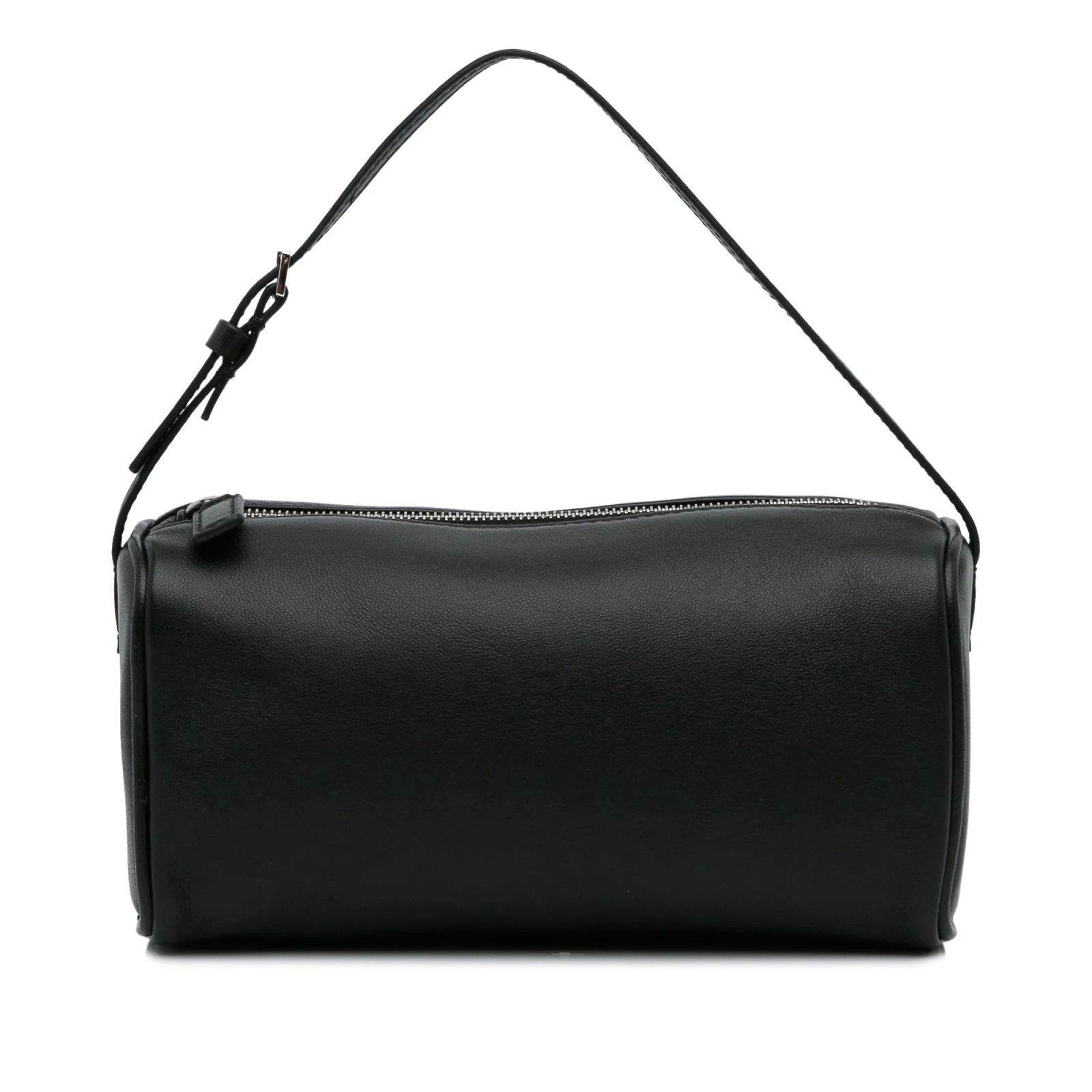
| Design Classification | How It’s Typically Worn | Aftermarket Interest Level | Design Hallmark |
|---|---|---|---|
| Firm-Shaped Totes, like Margaux | Office, travel, daily carry | Strong | Defined contour paired with low-key hardware |
| Slouchy Shoulder-Style Bags | Evening and off-duty styling | Mid-to-Elevated | Draped leather, low-key strap detail |
| Top-Handle Bags in Compact Sizing | Errands with layered outfits | Moderate | Petite proportions, tidy seams |
A rundown like this is useful for those doing a row bags overview prior to committing to a purchase, since the categories diverge in terms of both day-to-day usefulness and long-term resale value. The structured-tote category tends to hold value best because they’re the most photographed and requested, while compact top-handles is valued more for adaptability than investment potential.
How Street Style Drives Demand
While the runway establishes direction, it’s street style that cements a bag’s place in culture. Paparazzi and street-style photographers have spent years capturing editors, stylists, and off-duty models toting the row bag of the moment outside shows in Paris, Milan, and New York. This kind of candid imagery have possibly done more to drive interest in the row handbags than official ad campaigns ever could, because they show the products functioning in real life — slung over a shoulder, carried underarm, worn with jeans instead of couture.
This grassroots attention has created a feedback loop. As these candid photos spread more widely, more shoppers hunt for specific styles, which drives up resale prices, which in turn increases the sense of exclusivity of owning the bag in the first place. It’s a self-sustaining cycle that few brands manage to sustain for more than a few seasons, yet The Row has kept it going for nearly two decades without needing loud marketing campaigns to prop it up.
Fashion commentators have also noted that The Row seldom leans on gifting bags to celebrities or influencers in the way many contemporary labels do. Much of the visibility appears organic, built from authentic, self-funded buys rather than sponsored deals. Whether or not every instance is unpaid, the brand’s public image benefits from appearing authentic rather than transactional, which matters enormously to the quiet-luxury shopper who is often wary of blatant promotion.
How The Row Is Positioned Heading Into 2026
Entering 2026, The Row shows little indication of loosening its grip on the quiet-luxury segment. In fact, competitors have spent the last few years trying to replicate its formula — minimal branding, elevated materials, restrained runway presentations — with mixed success. Hardly any have equaled the steadiness of The Row’s design language across seasons, which remains its greatest competitive advantage.
Shoppers searching for a authentic row sale should realize that price cuts are infrequent and generally minor when they take place, typically connected with post-season markdown periods rather than heavy promotional slashing.
Even as the wider luxury sector contend with rising cost pressures and evolving consumer sentiment, this deliberate rarity — deliberate as it is — has kept the brand’s positioning intact.
Looking ahead, expect ongoing growth of the accessories range rather than dramatic reinvention. The label’s expansion strategy has long favoured steady, small-scale evolution over disruption, introducing new colourways or understated design refinements to tried-and-true favorites instead of following fleeting trends. That reliability is exactly what matters for anyone building a long-term wardrobe around timeless pieces — and it’s why The Row’s evolution from runway oddity to everyday essential continues to feel less like a passing moment and more like a lasting change in how understated luxury is characterized.